IT Services for Neurofeedback Clinics from a healthcare-only team
Neurofeedback clinics run on finicky, specialized technology, from BrainMaster, NeurOptimal, and Cygnet systems to BioExplorer software and Thought Technology amplifiers that demand rock-solid device drivers and stable training-room workstations. Every session generates qEEG brain maps, EEG recordings, and outcome-tracking data that accumulate quickly and can never be recreated if lost, making backup and disaster recovery non-negotiable. On top of that, you are handling deeply sensitive brain and behavioral-health information for ADHD, anxiety, PTSD, and insomnia clients, so HIPAA compliance has to cover every device, drive, and cloud sync. Cash-pay packages, memberships, and stored-card billing add PCI obligations that most generic IT shops overlook, and a single Windows update that breaks an amplifier driver can idle a whole training room. You need an IT partner who understands neurofeedback hardware, protects irreplaceable session data, and keeps every workstation dependable. Medical IT Company keeps neurofeedback clinics fast, secure, and online.
why choose us for IT Services for Neurofeedback Clinics
Neurofeedback clinics depend on specialized device software and years of accumulating session data, and generic IT support routinely breaks the first and fails to protect the second. We manage the whole picture, from finicky EEG drivers to HIPAA-secure backups.
EEG device-software expertise
We support BrainMaster, NeurOptimal, Cygnet, BioExplorer, and Thought Technology systems, keeping drivers stable and training rooms running so a Windows update never idles your equipment.
Irreplaceable data protected
qEEG brain maps and session-by-session records are backed up, versioned, and disaster-recovery ready, so no client’s baseline or training history is ever lost.
HIPAA and PCI covered
Sensitive brain and behavioral-health data plus cash-pay stored-card billing both get proper encryption, access controls, and compliance, closing gaps generic IT leaves open.


more ways we support healthcare





healthcare IT challenges neurofeedback clinics face
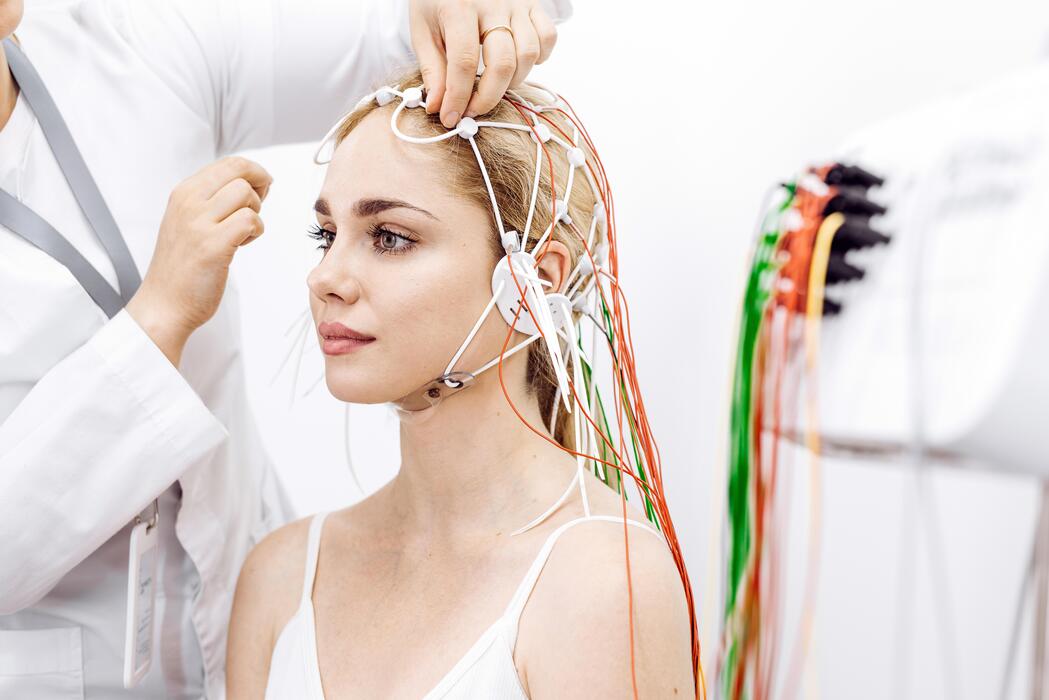
The heart of any neurofeedback practice is the training room, and the technology there is uniquely fragile. EEG platforms like BrainMaster Discovery and Atlantis, Zengar’s NeurOptimal, Cygnet with BioExplorer, and Thought Technology’s ProComp lines rely on precise USB drivers, serial connections, and licensed software that generic IT management can quietly break. A routine automatic Windows update, an aggressive antivirus quarantine, or a mismatched driver version can leave an amplifier unrecognized and a fully booked session canceled. Neurofeedback clinics need workstations that stay patched and secure without ever disturbing the delicate device-software stack that makes training possible.
Then there is the data. Every qEEG brain map, raw EEG file, protocol setting, and session-by-session progress record is clinically valuable and effectively irreplaceable, and these files pile up fast across dozens of active clients. Losing a client’s baseline brain map or their accumulated training history is not an inconvenience, it is a setback to their entire care plan. Yet many clinics still keep this data on a single training-room computer or an unmonitored external drive with no verified backup. Proper backup, versioning, and disaster recovery for brain-mapping and outcome data is one of the most important and most neglected parts of neurofeedback IT.
Neurofeedback also sits squarely under HIPAA, because brain and behavioral-health information is among the most sensitive data a clinic can hold. Assessments, intake forms, symptom questionnaires, and session notes must be encrypted at rest and in transit, access-controlled, and covered by proper business associate agreements with every vendor and cloud service. Clinics adding telehealth or remote neurofeedback expand that footprint further, sending data across home networks and the internet. Without deliberate security, encryption, and staff training, a clinic doing genuinely good clinical work can still be exposed to a costly breach.
Finally, the business runs on a cash-pay, wellness-flavored model that carries its own IT demands. Scheduling, package and membership tracking, and stored-card billing all touch payment data, which means PCI compliance and secure point-of-sale practices, not just HIPAA. Fitting practice-management software, payment processing, patient intake, and outcome tracking into one dependable, well-secured system takes IT that understands both the clinical and financial sides of neurofeedback. Most break-fix vendors simply do not, which is exactly the gap Medical IT Company was built to close.
neurofeedback clinics IT FAQs
With the right IT in place, a crash is an inconvenience rather than a catastrophe. Because we keep automated, tested backups of your brain maps, session records, and configurations, a failed training-room computer can be restored or replaced without losing a client’s history. We document each workstation’s device-software setup so amplifiers and neurofeedback applications can be rebuilt quickly and correctly. Our disaster-recovery planning also covers ransomware, theft, and other events that could otherwise erase years of irreplaceable data. The practical outcome is that your clinic stays open, your clients stay on track, and your data stays intact even when hardware fails.
Absolutely, and we treat payment security as seriously as clinical data. Neurofeedback clinics often sell prepaid packages, memberships, and recurring plans that involve storing and charging client cards, which brings PCI obligations that many IT providers ignore. We help you use payment processing and practice-management tools that keep card data tokenized and off your local machines, reducing your risk and compliance burden. We also secure the scheduling, intake, and billing systems that tie into payments so the whole workflow stays protected. This lets your cash-pay wellness model run smoothly without exposing you or your clients to fraud.
Your qEEG brain maps, EEG recordings, and session-by-session outcome data are treated as irreplaceable clinical assets. We implement automated, encrypted backups with versioning and offsite copies, then test recovery so you know the data will actually come back if a drive or workstation fails. For HIPAA, we encrypt sensitive brain and behavioral-health information at rest and in transit, enforce access controls and strong authentication, and maintain business associate agreements with cloud and software vendors. We also train staff on secure handling of intake forms, assessments, and telehealth sessions. Together this protects both your clients’ privacy and the training history their care depends on.
Neurofeedback clinics need IT that spans specialized clinical technology and everyday business systems. That includes support for EEG and neurofeedback platforms like BrainMaster, NeurOptimal, Cygnet, BioExplorer, and Thought Technology, plus stable, well-managed training-room workstations. It also means secure, verified backup and disaster recovery for irreplaceable qEEG brain maps and session data, HIPAA-compliant protection of sensitive behavioral-health information, and PCI-conscious handling of cash-pay and stored-card billing. Finally, clinics need dependable networking, scheduling, intake, and outcome-tracking systems, along with optional telehealth support, all managed by a partner who understands how neurofeedback actually operates.
Most neurofeedback clinics are best served by flat-rate managed IT, typically billed per month based on the number of users, workstations, and training-room systems you run. This predictable model covers proactive monitoring, security, backup, help-desk support, and device-software maintenance without surprise hourly invoices every time an amplifier driver acts up. Compared to break-fix support, managed IT usually costs less over time because it prevents the canceled sessions and data-loss emergencies that hit small clinics hardest. We scope pricing to your specific setup, whether you run a single training room or several locations. The goal is protecting your revenue and your clients’ data for a clear, budgetable monthly fee.
Yes, and this is one of the most important things we do differently from generic IT providers. Neurofeedback platforms such as BrainMaster, NeurOptimal, Cygnet with BioExplorer, and Thought Technology rely on specific drivers, USB and serial connections, and licensed software that careless updates or antivirus tools can easily disrupt. We manage Windows updates on a controlled schedule, whitelist your clinical applications, and validate that amplifiers and sensors stay recognized before changes ever reach a live training room. We document your exact device-software configuration so it can be restored quickly if a workstation fails. The result is training rooms that stay stable and sessions that stay on the calendar.