IT Services for CT Scan Centers from a healthcare-only team
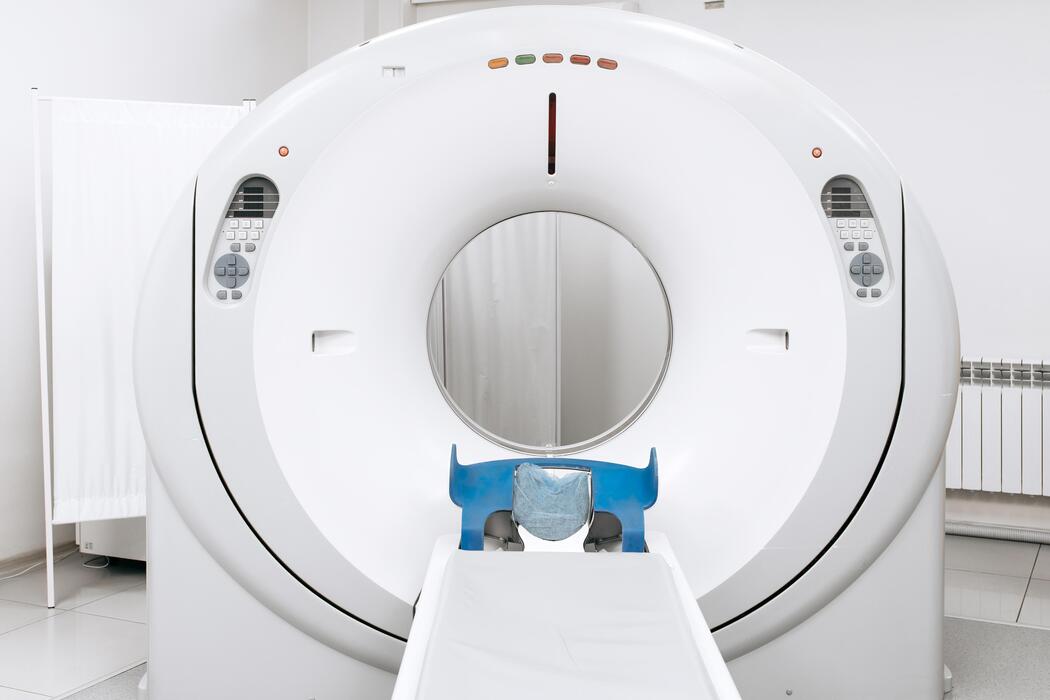
Behind every CT scan center sits a chain of systems that must move enormous studies without friction. A thin-slice chest study from a Siemens SOMATOM, GE Revolution, Canon Aquilion, or Philips scanner can run two thousand images and several gigabytes, and it has to travel through DICOM routing to the archive, land on an Intelerad, Sectra, or Fuji Synapse worklist, and return to the referrer as a finished report the same day. The RIS drives scheduling and modality worklists, PowerScribe handles dictation, and HL7 interfaces carry orders and results in both directions.
Medical IT Company keeps that chain fast. We size network paths from gantry to server room, tune PACS storage so priors open instantly, monitor modality connectivity and interface queues 24×7, and support the surrounding tools your day depends on, from dose-tracking software feeding the ACR dose registry to image-sharing platforms like Ambra and PowerShare that replace burned CDs.
We also treat your archive like the target it is. Imaging centers hold years of studies that ransomware crews prize, so we encrypt data at rest and in transit, enforce role-based access, and maintain immutable backups tested with real restores, keeping you HIPAA-compliant, accreditation-ready, and open for tomorrow’s schedule no matter what happens today.
why choose us for IT Services for CT Scan Centers
We support the RIS, PACS, and DICOM workflows outpatient CT centers rely on daily.
PACS Expertise
We tune PACS storage tiers, prefetch rules, and gigabit paths from every scanner, and we monitor DICOM routing 24×7, so a two-thousand-image chest study opens for the radiologist in seconds, not minutes.
HIPAA Security
AES encryption at rest and in transit, role-based PACS access, and full audit logging protect every study from scanner to reading station, satisfying HIPAA and ACR accreditation reviewers alike.
Tested Backups
Immutable, versioned backups of PACS, RIS, and the deep archive are proven with real restore drills, so ransomware or a failed RAID array never costs your center a single completed exam.


more ways we support healthcare





healthcare IT challenges ct scan centers face
Image volume is the first challenge every CT center hits. Modern multidetector scanners produce thin-slice datasets that swell an archive by terabytes each year, and when storage fills or ages, retrieval slows exactly when the reading queue is deepest. We design tiered storage with a vendor-neutral archive, fast disk for recent studies and priors, and lifecycle rules that migrate cold data automatically, so growth never degrades the radiologist experience.
Modality integration is the second. When the DICOM modality worklist fails, technologists type patient data by hand, and a single mistyped MRN can orphan a study or attach it to the wrong record. We monitor MWL, HL7 order feeds, and every scanner association around the clock, and we revalidate connectivity after each console upgrade so exams flow from acquisition to PACS untouched by manual entry.
Turnaround pressure is relentless because referrers judge a center by how fast reports come back. We accelerate the read cycle end to end: prefetching relevant priors before the patient leaves the table, keeping PowerScribe dictation and hanging protocols responsive, and building secure, monitored VPN paths for overnight teleradiology so a stroke-protocol head CT is on a reading worklist within seconds of acquisition.
Finally, uptime and security carry direct revenue stakes, since a down scanner console or an encrypted archive means rescheduled patients and referrers who quietly go elsewhere. Scanner consoles often run older Windows builds that cannot be patched, so we isolate them on segmented networks, layer managed EDR everywhere else, and keep immutable offsite backups of PACS and RIS with rehearsed recovery, protecting both HIPAA compliance and the appointment book.
ct scan centers IT FAQs
Thin-slice CT studies are large, and the volume adds up fast, so we design storage and network capacity around your real scan load. That includes on-site PACS storage, VNA or cloud archiving for older exams, and enough bandwidth for retrieval, prior comparisons, and teleradiology. We monitor capacity and scale it before it becomes a bottleneck.
We run tested backups and disaster recovery for both your image archive and RIS, so a failed drive or server does not mean lost studies. Depending on your setup, we can fail over to redundant storage or restore quickly from encrypted backups. The goal is to keep scanning and reading with minimal interruption.
Yes. We manage DICOM and HL7 routing between your CT modality, PACS, RIS, and dictation tools like PowerScribe so studies land in the right worklist. We also keep the VPNs and gateways to your teleradiology partners fast and available so overnight and remote reads never stall.
CT scan centers need managed IT that covers PACS and RIS administration, DICOM and HL7 integration with the modality, and secure image archiving. On top of that, they need HIPAA-focused cybersecurity, tested backup and disaster recovery, teleradiology connectivity, and a responsive help desk. Most centers also want vCIO planning to scale storage and bandwidth as scan volume grows.
Most CT centers pay a predictable monthly fee based on the number of users, modalities, and the size of their imaging environment. Image volume, storage needs, and whether you run teleradiology all factor into the price. We scope each center individually and give a flat monthly rate, so there are no surprise bills when something breaks.
We protect every image and report with encryption in transit and at rest, role-based access controls, and detailed audit logging. Backups are encrypted and tested, and we harden PACS, RIS, and any remote-read connections against ransomware. We also help document the safeguards ACR and HIPAA reviewers expect to see.