
IT Services for Spine Surgery Practices from a healthcare-only team
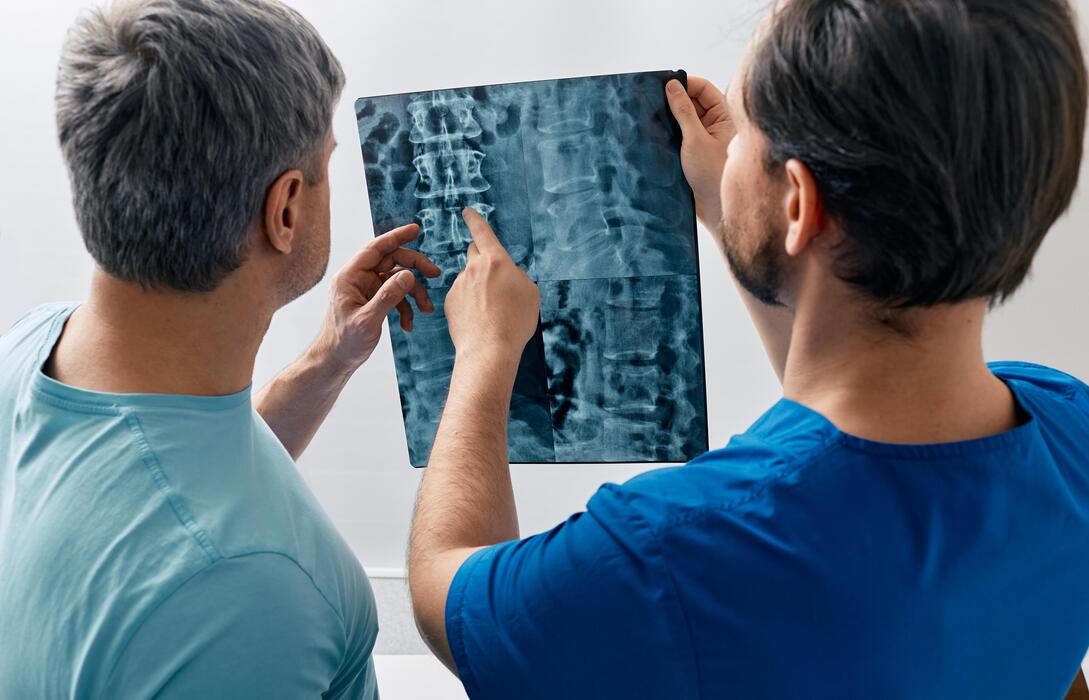
Spine surgery practices run on more technology than almost any other specialty, from advanced imaging to image-guided navigation and multi-facility surgical scheduling. A single fusion or decompression case can generate massive DICOM datasets from MRI, CT, and X-ray that must move cleanly between your PACS, your EHR, and the operating room. Orthopedic and neurosurgical spine practices typically rely on platforms like Modernizing Medicine EMA, athenahealth, or NextGen, and many also touch hospital Epic or Cerner systems where surgeons hold privileges. When any of those systems slow down, imaging stalls, surgical planning is delayed, and a high-revenue OR day is put at risk. Prior authorization for high-cost spine procedures and implants adds another layer of pressure, with payers demanding imaging, documentation, and clinical notes before they will approve a case. Coordinating surgeries across hospitals and ambulatory surgery centers means your data has to stay accurate and available in several places at once. Interoperability failures, DICOM bottlenecks, and downtime are not minor annoyances here, because they translate directly into canceled cases and lost revenue. On top of all that, every image, note, and scheduling record is protected health information that must stay HIPAA compliant and defended against ransomware. Spine surgery practices need an IT partner that understands imaging, surgical workflows, and payer complexity, not a generic help desk. Medical IT Company keeps spine surgery practices fast, secure, and online.
why choose us for IT Services for Spine Surgery Practices
We combine deep healthcare IT expertise with a real understanding of imaging, surgical workflows, and payer demands unique to spine practices.
Imaging and PACS Expertise
We keep large MRI, CT, and DICOM datasets moving cleanly between modalities, PACS, viewers, and your EHR. Surgical planning and image-guided navigation systems stay fast and available for every case.
Surgical Workflow Focus
We support scheduling and coordination across hospitals and ambulatory surgery centers so cases do not stall. Interfaces, credentialing systems, and patient data stay synchronized wherever your surgeons operate.
Security and HIPAA Built In
We protect imaging archives, devices, and remote access with proactive monitoring, tested backups, and ransomware defense. Compliance and uptime are designed into every part of your environment.


more ways we support healthcare





healthcare IT challenges spine surgery practices face
The imaging load in a spine practice is enormous and unforgiving. Preoperative MRI and CT studies, weight-bearing X-rays, and intraoperative imaging from O-arm and C-arm systems all feed surgical planning and image-guided navigation platforms like Medtronic StealthStation or GE OEC 3D. Those files are large, and they have to travel between modality, PACS, viewer, and EHR without corruption or delay. A single slow network link or an undersized storage array can leave a surgeon waiting on a study, and in a spine practice that delay is measured in operating room minutes, not screen refreshes.
Surgical scheduling is a second source of technical complexity that general orthopedic clinics rarely face at the same intensity. Spine surgeons operate across hospitals and ambulatory surgery centers, each with its own scheduling system, credentialing requirements, and IT environment. Your practice management data, imaging, and consent documents must stay synchronized across those facilities, and interoperability gaps or HL7 and FHIR interface breakdowns can strand a case at the worst possible moment. When a surgeon splits time between an in-office clinic, an ASC, and a hospital OR, the technology has to follow them seamlessly.
Prior authorization is where spine practices bleed the most time and revenue. High-cost fusions, artificial disc replacements, and spinal implants draw intense payer scrutiny, and a recent AAOS study found that prior authorization delays elective spine surgery without actually cutting costs for payers. Every requirement means pulling imaging, operative history, and conservative-care documentation from multiple systems and submitting it correctly, and a denial can unwind weeks of scheduling. Slow or fragmented systems make an already brutal administrative burden worse and push denials higher.
Underneath all of it sits security, uptime, and compliance, which a high-revenue surgical practice cannot afford to treat casually. Spine practices are attractive ransomware targets because a day of downtime is extraordinarily expensive and the pressure to pay is high. HIPAA compliance has to extend across imaging archives, mobile devices, remote surgeon access, and every third-party connection to hospitals and ASCs. Without proactive monitoring, tested backups, and disciplined access control, one incident can halt surgery and expose thousands of patient records.
spine surgery practices IT FAQs
Pricing depends on your size, number of locations, imaging volume, and the systems you run, so we start with an assessment rather than a fixed number. Most spine practices choose a predictable monthly managed-services plan that covers support, monitoring, security, and maintenance. That model is usually far less expensive than the cost of downtime, a canceled OR day, or a data breach. We can also scope specific projects such as imaging upgrades, ASC connectivity, or security improvements. Contact Medical IT Company for a consultation and a clear quote tailored to your practice.
Spine practices are high-value ransomware targets because downtime is expensive and patient data is sensitive. We layer proactive monitoring, endpoint protection, encryption, and tested backups across your imaging archives, servers, and devices. Access controls and secure remote access protect surgeons who work from multiple locations. We conduct risk assessments and help maintain HIPAA compliance across every third-party connection to hospitals and ASCs. If an incident ever occurs, our tested recovery process gets you back to operating quickly.
Prior authorization for spine procedures and implants is a heavy administrative and technical burden, and a recent AAOS study found it delays elective surgery without saving payers money. We keep the systems and integrations behind authorization fast and reliable, so imaging, operative history, and clinical notes are easy to pull and submit. Well-connected systems reduce the manual effort and errors that lead to denials and rework. We also help ensure documentation reaches payers in the correct format the first time. Smoother data flow means fewer stalled cases and less lost revenue.
We support the platforms spine and neurosurgical practices depend on, including Modernizing Medicine EMA, athenahealth, and NextGen. We also manage the connections to hospital Epic and Cerner systems where your surgeons hold privileges and operate. Our team handles updates, integrations, performance tuning, and troubleshooting so clinical staff are not slowed down. We make sure imaging, scheduling, and documentation flow correctly between your EHR and every system it touches. The goal is a fast, reliable environment that keeps clinic and OR days on schedule.
Spine practices generate very large DICOM datasets from MRI, CT, X-ray, and intraoperative imaging, and those files have to move without delay. We design storage, networking, and backup so studies travel cleanly between modalities, PACS, viewers, and your EHR. We also support surgical planning and image-guided navigation platforms so images are ready when a surgeon needs them. Redundancy and monitoring keep your imaging archive protected and available around the clock. That means no waiting on a study during clinic or in the operating room.
Yes, multi-facility coordination is one of the most demanding parts of spine surgery IT and we build for it directly. Your surgeons often operate across in-office clinics, ASCs, and hospitals, each with different systems and credentialing requirements. We manage secure connections, HL7 and FHIR interfaces, and data synchronization so scheduling and patient records stay accurate everywhere. When something breaks between facilities, we resolve it quickly before it threatens a case. The result is technology that follows your surgeons wherever they work.