IT Services for Remote Patient Monitoring Companies from a healthcare-only team
A remote patient monitoring company lives or dies by data that never stops moving. Cellular blood pressure cuffs, Bluetooth glucometers, pulse oximeters, and connected weight scales sit in thousands of patient homes, streaming vitals into platforms like Optimize Health, HealthSnap, Prevounce, Rimidi, and CoachCare around the clock. Every reading has to land, every alert has to fire, and every device has to stay provisioned and connected. Behind that flow are EHR integrations, patient engagement apps, and RPM billing tied to CPT codes 99453, 99454, 99457, and 99458 that only pay when monitoring thresholds are met. It is a lot of PHI on a lot of hardware, and one gap in uptime or security can break continuity of care and revenue at once. Most generalist IT shops have never touched a cellular device fleet or a vitals pipeline this large. You need a partner who understands both the clinical stakes and the connectivity underneath them. Medical IT Company keeps remote patient monitoring companies fast, secure, and online.
why choose us for IT Services for Remote Patient Monitoring Companies
Support built around device fleets, vitals data, and continuous monitoring uptime.
fleet ready
Devices arrive provisioned and stay connected. We manage cellular and Bluetooth hardware across every patient home so continuous monitoring never quietly stops mid-reading.
data unbroken
Vitals stream in and alerts fire on time. We keep ingestion, scoring, and integrations running so no reading and no warning ever gets lost.
billing protected
Uptime keeps RPM revenue whole. We guard the transmissions and monitoring time that CPT 99453, 99454, 99457, and 99458 depend on to reimburse.


more ways we support healthcare





healthcare IT challenges remote patient monitoring companies face
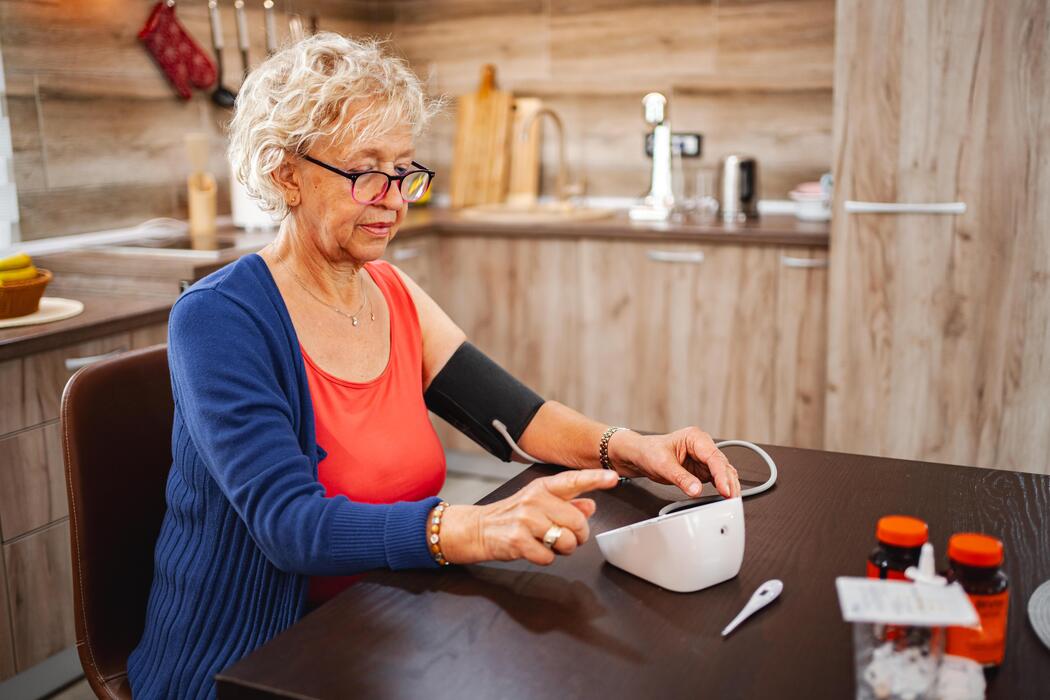
Remote patient monitoring companies run one of the most demanding device operations in healthcare. Fleets of cellular and Bluetooth blood pressure cuffs, glucometers, pulse oximeters, and weight scales ship to patient homes and must arrive provisioned, paired, and reporting. Logistics, activation, and replacement of that hardware never stop, and every disconnected device is a patient who has quietly fallen off monitoring. Platforms such as Optimize Health, HealthSnap, Prevounce, Rimidi, and CoachCare depend on those devices staying connected to do their job.
Then there is the data. Thousands of patients generate a constant stream of vitals that has to be ingested, scored, and surfaced to clinicians in near real time, with alerts firing the moment a reading crosses a threshold. That pipeline usually feeds into client EHR systems and patient engagement apps, so integrations, APIs, and interface engines all have to hold steady under heavy load. When ingestion lags or an alert is missed, both care and liability are on the line.
Security is heavier here than almost anywhere in healthcare. PHI does not sit in one data center; it lives on tens of thousands of home devices, in transit over cellular networks, and inside the monitoring platform. HIPAA, encryption in transit and at rest, device management, and access controls have to cover every one of those surfaces at once. A single unencrypted device or exposed API is a breach waiting to happen.
Finally, uptime is money. RPM reimbursement under CPT 99453, 99454, 99457, and 99458 only pays when devices transmit enough readings and clinicians log enough monitoring time. If systems go down, data does not count, thresholds are missed, and revenue evaporates. Medical IT Company builds the connectivity, security, and monitoring that keep the whole operation billable and online.
remote patient monitoring companies IT FAQs
Cost depends on your fleet size, the platforms you run, and how much EHR integration and security work you need. Most remote patient monitoring companies do best with a predictable monthly plan that covers device management, data pipeline monitoring, integration support, and HIPAA security. That is far cheaper than downtime, a missed billing threshold, or a breach across thousands of devices. Medical IT Company scopes a plan to your patient volume and gives you clear, flat pricing.
RPM reimbursement under CPT 99453, 99454, 99457, and 99458 only pays when devices transmit enough readings and clinicians log enough time. We protect that by keeping devices connected, data ingesting, and platforms available so transmissions actually count. We also help surface gaps before they cost you a billable month. Medical IT Company treats uptime as revenue, because in remote patient monitoring it literally is.
PHI in RPM lives everywhere at once, so we secure every layer. We enforce encryption in transit over cellular networks and at rest in your platform, apply device management and access controls, and monitor for anomalies across the fleet. We align the whole environment with HIPAA and help you stay audit-ready. Medical IT Company treats every home device as an endpoint that must be protected, not an afterthought.
Remote patient monitoring companies need IT that spans a connected device fleet, a high-volume data pipeline, and strict HIPAA security. That means managing cellular and Bluetooth devices, keeping platforms like Optimize Health, HealthSnap, Prevounce, Rimidi, or CoachCare online, and integrating vitals into client EHRs. It also means securing PHI across thousands of homes and protecting the uptime that RPM billing depends on. Medical IT Company delivers all of it as one coordinated service so nothing falls between vendors.
We treat your device fleet as living infrastructure. Using mobile device management and monitoring tied to your RPM platform, we track which cuffs, glucometers, and scales are provisioned, connected, and transmitting. When a cellular or Bluetooth device drops off, we flag it fast so your team can re-engage the patient before readings go missing. Medical IT Company also supports provisioning and logistics so new devices arrive ready to report on day one.
Yes. EHR integration is core to what we do. We build and maintain the interfaces, APIs, and data feeds that connect platforms like HealthSnap, Prevounce, or Rimidi to client EHR systems and patient engagement apps. That keeps vitals, alerts, and monitoring notes flowing into the chart clinicians actually use. Medical IT Company monitors those integrations continuously so a broken feed never silently strands your data.