
IT Services for Orthotics and Prosthetics Clinics from a healthcare-only team
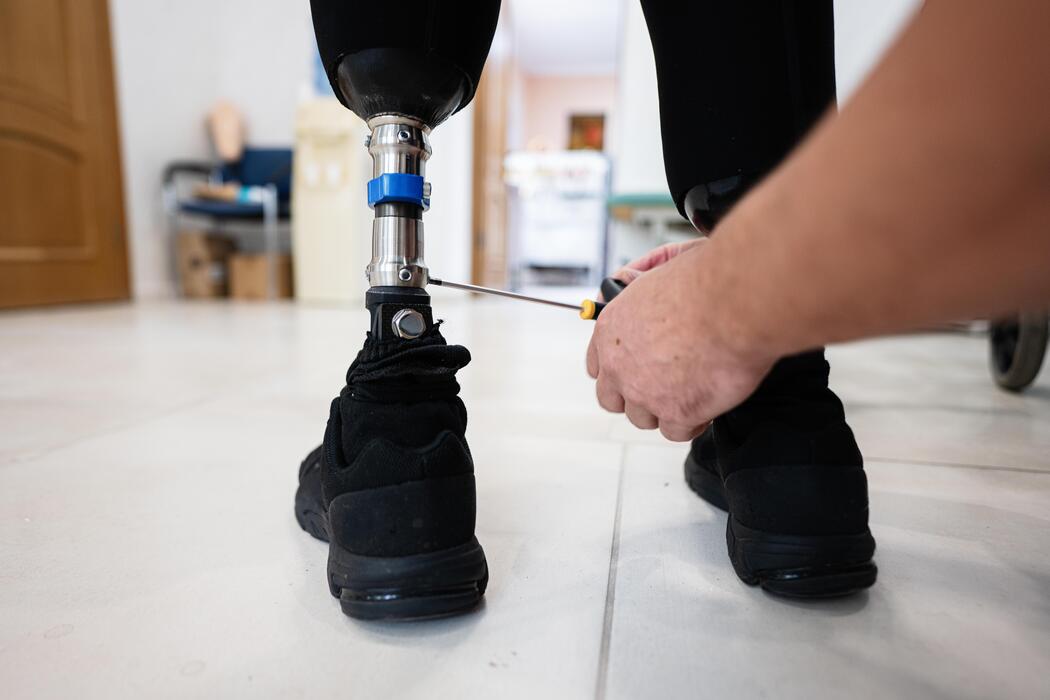
Orthotics and prosthetics clinics live at the crossroads of hands-on patient care and precision custom fabrication, and your technology has to serve both sides at once. Every day your team evaluates patients, captures CAD/CAM digital scans, builds 3D models, and sends jobs to an on-site lab or central fabrication partner while managing dense L-code and Medicare DMEPOS billing. That workflow depends on practice-management and EHR platforms like OPIE, Nymbl, and Futura staying fast, on scan and patient files staying protected, and on your network never dropping during a fitting or a fabrication run. A single lost scan or a day of downtime can mean re-casting a patient, missing a delivery, or watching a prior authorization stall. Unlike an O&P supplier moving boxes, your clinic fits patients and fabricates custom devices, so the data you generate is clinical, irreplaceable, and bound by HIPAA. Medical IT Company keeps orthotics and prosthetics clinics fast, secure, and online.
why choose us for IT Services for Orthotics and Prosthetics Clinics
Why orthotics and prosthetics clinics choose Medical IT Company
O&P Workflows We Understand
We support OPIE, Nymbl, Futura, and the CAD/CAM scanning, 3D modeling, and central-fabrication tools your clinic and lab depend on every day.
Built for Big Scan Files
Fast networks and reliable storage move large scans and 3D models between fitting rooms, design workstations, and your fab lab without lag or lost data.
Secure, HIPAA-Ready Support
Layered security, protected patient records, and tested backups keep irreplaceable scan and photo data safe and your practice audit-ready.


more ways we support healthcare





healthcare IT challenges orthotics and prosthetics clinics face
The defining IT challenge in an O&P practice is the sheer size and value of the files you create. CAD/CAM scanners, 3D modeling software, and central-fabrication or 3D-printing workflows generate large scan and mesh files that have to move quickly between the fitting room, the design workstation, and the fab lab or outside fabrication center. When your network or storage can’t keep pace, designs crawl, transfers time out, and clinicians wait on data instead of working with patients. These scans represent a real patient captured at a real moment, so a corrupted or lost file often means calling that patient back in to be scanned or cast all over again.
Billing and documentation add a second layer of pressure that generic IT support rarely understands. L-code claims, Medicare and DMEPOS rules, and heavy prior authorization requirements mean your team is constantly attaching detailed notes, photos, delivery receipts, and physician documentation to justify every device. If your practice-management or EHR system is slow, poorly integrated, or unreliable, claims get delayed, denials climb, and revenue that is already tied up in custom fabrication sits even longer. Your systems have to keep clinical records, imaging, and billing documentation connected and instantly retrievable during an audit.
Then there is the blended clinic-plus-lab environment itself. You are running a patient-facing practice and a fabrication shop on the same network, with EHR terminals, scanning stations, design workstations, printers, and shop equipment all competing for bandwidth and all needing to stay online. Referrals arrive from physicians and hospitals who expect a professional, responsive intake, and any downtime touches both patient scheduling and production deadlines at the same time. Most break-fix providers treat this like an ordinary office and miss how tightly your care and manufacturing depend on each other.
Finally, everything you do is governed by HIPAA and threatened by data loss. Patient records, clinical photos, and scan data are protected health information, and O&P practices are just as exposed to ransomware, hardware failure, and human error as any other healthcare provider. Without vetted backups, tested disaster recovery, and layered security, one incident can erase years of irreplaceable scan libraries or expose sensitive patient data. Protecting that information while keeping the clinic and lab productive takes IT built specifically for how orthotics and prosthetics clinics actually operate.
orthotics and prosthetics clinics IT FAQs
Protecting against data loss is one of the most important things we do for an O&P clinic. We implement automated backups of your scan libraries, patient photos, and records, then regularly test disaster recovery so those backups actually restore when it counts. If hardware fails, ransomware strikes, or a file is deleted by mistake, we can bring your data back quickly instead of asking patients to return for new casts or scans. Because your scan data is irreplaceable and often represents years of work, we build recovery plans specifically around it. The result is peace of mind that a single incident will never erase your clinic’s most valuable information.
Patient records, clinical photos, and scan data are all protected health information, so we secure them with a layered, HIPAA-focused approach. That includes network protection, endpoint security, access controls, encryption, and monitoring across the clinic and fabrication lab. We help enforce policies so only authorized staff reach sensitive data and so activity is logged for compliance. Because O&P clinics are exposed to ransomware, phishing, and human error like any healthcare provider, we combine prevention with tested response and recovery. Medical IT Company helps you protect patients while keeping your practice audit-ready and running smoothly.
We keep the systems behind your billing dependable, integrated, and fast so documentation never becomes the bottleneck. L-code claims and DMEPOS rules demand detailed notes, photos, delivery receipts, and physician documentation, and slow or unstable software directly translates into delays and denials. We make sure your practice-management platform, imaging, and clinical records stay connected so staff can attach and retrieve everything a claim or prior authorization requires. We also protect and organize that documentation so it is instantly available if you face a Medicare audit. By keeping these tools reliable, we help revenue that is already tied up in custom fabrication move faster.
O&P clinics need IT that supports both patient care and custom fabrication under one roof. That starts with reliable support for practice-management and EHR platforms like OPIE, Nymbl, and Futura, plus fast networks and storage that can handle large CAD/CAM scans and 3D models moving between fitting rooms, design workstations, and the fab lab. It also includes HIPAA-focused security, layered protection for patient records and scan data, and tested backup and disaster recovery so irreplaceable files are never lost. On top of that, clinics need dependable uptime for a blended clinic-and-lab environment and support that understands L-code and DMEPOS billing pressures. Medical IT Company delivers all of it as one managed service tailored to O&P practices.
Most O&P practices are best served by predictable, flat-rate managed IT rather than unpredictable hourly break-fix bills. Pricing typically scales with the number of users, workstations, and locations, along with the specific systems you run such as your EHR, scanning stations, and fabrication equipment. Because a single lost scan or day of downtime can mean re-casting a patient or missing a delivery, proactive managed IT usually costs far less than the disruptions it prevents. We build a plan around your clinic and lab so you know your monthly investment up front with no surprise fees. After a short assessment, Medical IT Company provides a clear quote matched to your practice size and workflow.
Yes, supporting O&P EHR platforms and digital fabrication workflows is core to what we do. We keep OPIE, Nymbl, Futura, and similar systems fast and reliable while making sure CAD/CAM scanners, 3D modeling software, and central-fabrication or 3D-printing tools stay connected. Because scan and mesh files are large, we design networks and storage that move them quickly between the fitting room, design workstations, and your fab lab or outside fabrication partner. We also protect that scan data carefully, since each file represents a real patient captured at a specific moment and cannot simply be recreated. The goal is a smooth path from evaluation and scanning through modeling to a finished, fitted device.