
IT Services for Mail-Order Pharmacies from a healthcare-only team
A mail-order pharmacy lives or dies by throughput: millions of maintenance prescriptions must move from e-prescribe intake through central-fill automation to a labeled, sealed package on a carrier truck, every single day. When the pharmacy management system stalls, Surescripts inbound queues back up, or PBM adjudication times out, the whole line stops and scripts miss their ship-by cutoff. Medical IT Company keeps the systems behind high-volume dispensing fast, secure, and online.
why choose us for IT Services for Mail-Order Pharmacies
We keep the dispensing line, adjudication, and shipping systems running so scripts ship on time.
Central-Fill Uptime
We support the pharmacy management system, interface engine, and automation controllers so Surescripts intake, robotics, and print-and-apply labeling stay in sync at full production speed.
Claims & Carrier Integrations
We monitor PBM adjudication, switch connections, and UPS/FedEx/USPS shipping APIs so rejects and rating failures get caught before they stall the line or miss carrier pickup.
HIPAA Security at Scale
Network segmentation, EPCS and PDMP-ready controls, ransomware defense, and tested backup/DR protect PHI across every state permit and keep dispensing recoverable.


more ways we support healthcare





healthcare IT challenges mail-order pharmacies face
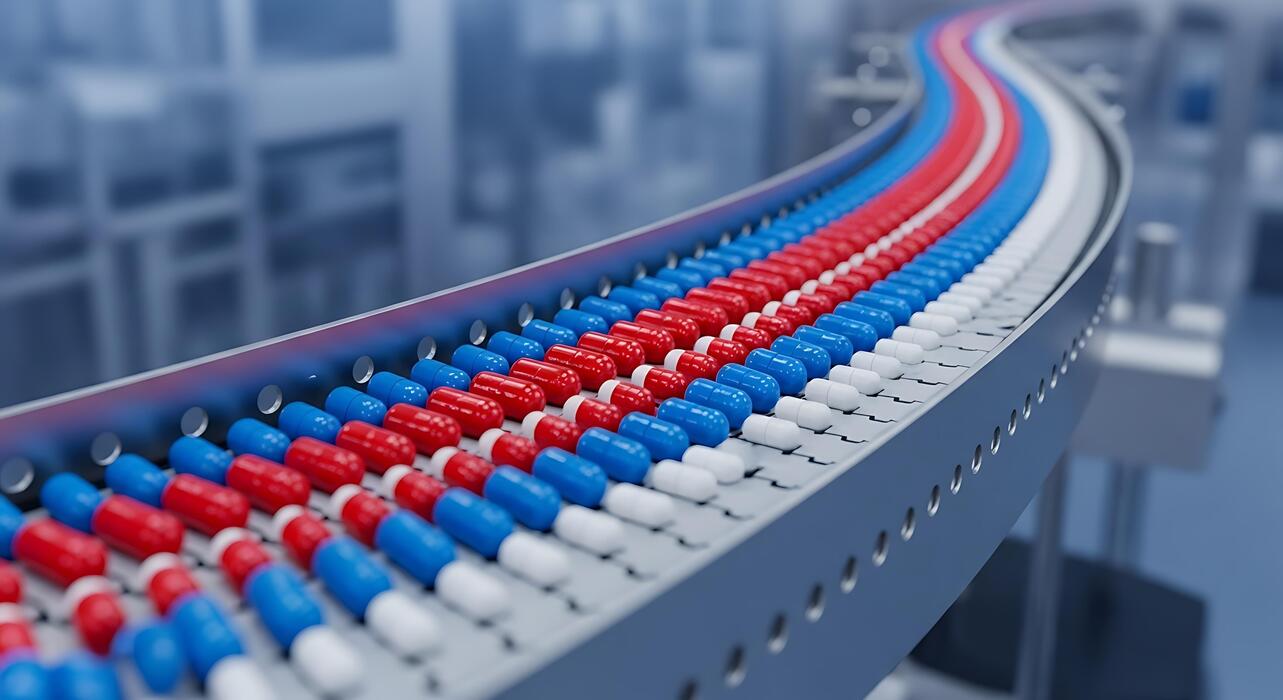
Unlike a retail counter that fills one script while a patient waits, a mail-order operation runs like a factory. E-prescriptions arrive continuously through Surescripts, feed a central pharmacy management and workflow system, and drive high-speed counting, vial-filling, and pouch or blister automation from vendors like Parata, ScriptPro, or Omnicell. Every one of those handoffs is an integration point, and a single lagging interface engine or a dropped HL7/NCPDP message can strand thousands of orders mid-line. IT here is not a help desk that resets passwords; it is the connective tissue that keeps intake, adjudication, robotics, and shipping moving in lockstep.
Claim adjudication at volume is its own pressure point. Each fill triggers a real-time PBM transaction, and rejects for prior authorization, refill-too-soon, or DUR edits have to be worked without collapsing the daily production schedule. When adjudication latency climbs or a switch vendor connection degrades, throughput craters and labor stacks up on the exception queues. On top of that, refill demand pours in through IVR, mobile app, and web portal channels that all must stay synchronized with the same patient record and inventory in real time, or patients get told a medication shipped that never left the building.
Then there is the physical product. Some maintenance and specialty medications are refrigerated, so cold-chain packaging, temperature monitoring, and carrier SLA data have to be tracked and defensible. Shipments integrate with UPS, FedEx, USPS, and courier APIs for rating, label generation, manifesting, and tracking that flows back to the patient portal and contact center. A carrier integration outage during a peak window does not just delay one box; it can back up an entire day of manifested freight and blow past courier pickup times.
Wrapping all of it is a compliance and security burden most operators underestimate. A nonresident mail-order pharmacy typically holds licenses in nearly every state, each board with its own recordkeeping and reporting expectations, plus DEA controlled-substance rules, EPCS, and PDMP reporting for scheduled meds. The pharmacy holds enormous volumes of PHI and payment data, making it a prime ransomware target, and downtime is measured directly in undelivered prescriptions. HIPAA safeguards, network segmentation, and a tested backup and disaster-recovery plan are not paperwork here; they are what stands between a normal shift and millions of patients missing their medication.
mail-order pharmacies IT FAQs
That is exactly the scenario our security and DR work is designed to prevent. Mail-order pharmacies are prime ransomware targets because their downtime translates directly into undelivered medication, so we layer endpoint protection, segmentation, monitoring, and immutable backups to reduce both the odds and the blast radius of an attack. We keep tested recovery points for the pharmacy management system, interface engines, and adjudication so the line can be restored on a defined timeline. We rehearse failover for the intake, automation, and shipping systems rather than assuming backups work. The objective is to keep scripts shipping even on your worst day.
A nonresident mail-order pharmacy usually holds permits in nearly every state plus DEA controlled-substance obligations, so we build security and recordkeeping that stand up across all of them. That includes network segmentation, access controls, audit logging, encryption of PHI and payment data, and EPCS and PDMP-ready workflows for scheduled medications. We align safeguards to HIPAA and support the documentation state boards and auditors expect. We also run tested backups and disaster recovery so dispensing records are recoverable, because in this business an unrecoverable outage means patients miss doses.
Yes. We support the temperature-monitoring and packaging data that make refrigerated and specialty shipments defensible, and we keep the carrier integrations to UPS, FedEx, USPS, and regional couriers healthy for rating, label generation, manifesting, and tracking. Those tracking events have to flow back accurately to the patient portal, mobile app, IVR, and contact-center CRM, so we watch those syncs closely. If a carrier API degrades during a peak manifest window, we catch it early so freight still makes pickup. The result is fewer stranded boxes and fewer patients told a script shipped when it hasn’t.
Mail-order pharmacies need IT that treats dispensing as a high-throughput production line, not a retail counter. That means supporting the pharmacy management system and interface engine that carry Surescripts e-prescriptions and NCPDP claim traffic, keeping central-fill automation and print-and-apply labeling online, and monitoring PBM adjudication and carrier shipping APIs. It also includes HIPAA-grade cybersecurity across every state permit, EPCS and PDMP support for controlled substances, and a tested backup and disaster-recovery plan. The goal is simple: keep every system between e-prescribe intake and the loading dock fast, secure, and available.
Pricing depends on script volume, the number of central-fill sites, how many state permits and interfaces you maintain, and how deep your automation and cold-chain footprint runs. Most mail-order operators move to a predictable per-month managed model that bundles monitoring, security, help desk, and backup/DR rather than paying hourly when the line stops. Because downtime is measured directly in undelivered prescriptions, the right benchmark is cost per hour of dispensing outage avoided, not just headcount. We scope a plan against your throughput and compliance surface and give you a fixed monthly number.
We monitor the pharmacy management system, interface engine, and the controllers behind your counting, vial-filling, and pouch or blister automation as one connected pipeline. Alerts fire on Surescripts intake backlogs, HL7/NCPDP message failures, and adjudication latency before they cascade into stalled production. We maintain redundancy on the servers, network, and switch connections that the line depends on, and we keep firmware and integrations patched during planned windows instead of mid-shift. If something does fail, our runbooks and DR restore points are built to bring dispensing back before ship-by cutoffs are missed.