IT Services for Epilepsy Centers from a healthcare-only team
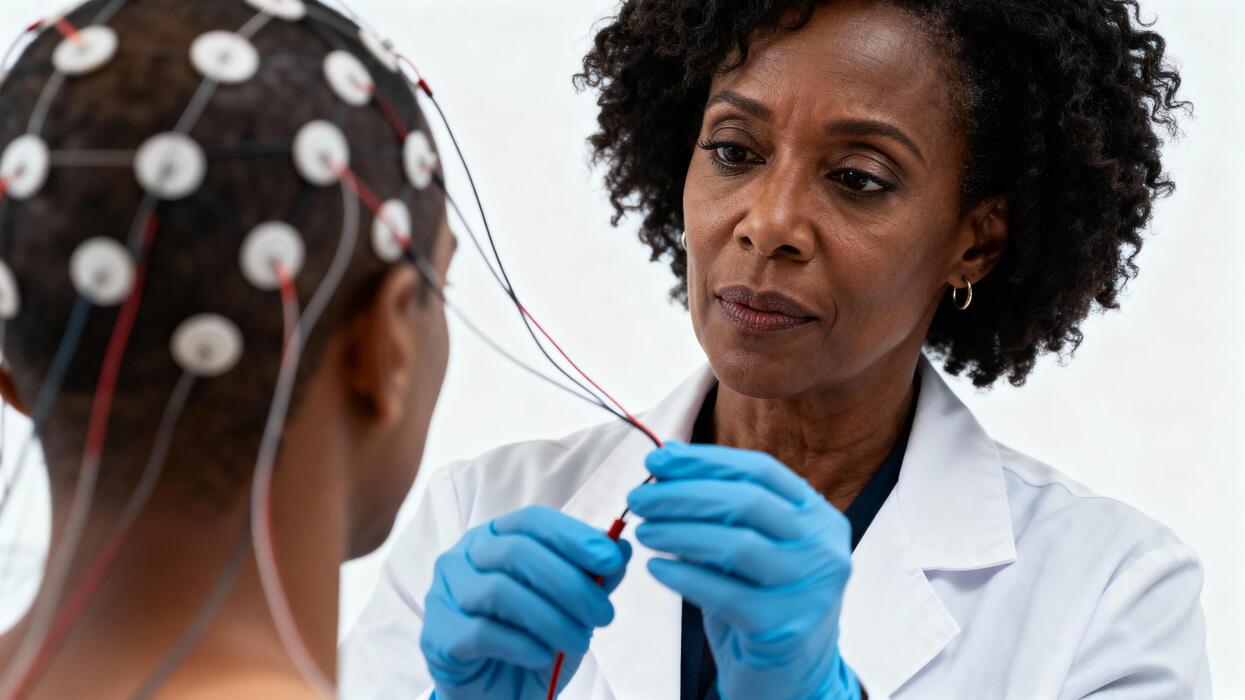
A week in one EMU bed can produce more data than a small clinic generates in a year: continuous video synchronized to dozens of EEG channels, streaming day and night, none of it droppable. When a reviewer scrubs to hour 61 to check the event a night nurse flagged, the video and the tracing have to be there, in sync, instantly. Medical IT Company builds and manages infrastructure for exactly that workload.
We support the platforms epilepsy centers read on — Natus NeuroWorks, Nihon Kohden, and Cadwell, with Persyst analytics running spike and seizure detection across live studies — and the storage architecture underneath them: fast tiers for active monitoring, capacity tiers for years of retained studies, and network bandwidth engineered so a full-montage review never buffers. Ambulatory EEG uploads, NeuroPace RNS device data, and referral studies from outside facilities all land where your neurologists can actually reach them.
Because these studies anchor surgical decisions and NAEC accreditation expects rigorous data handling, we protect archives with immutable backups and rehearsed recovery, move studies to remote readers and referral centers over HIPAA-compliant encrypted channels, and monitor the entire environment around the clock — the same schedule your EMU keeps.
why choose us for IT Services for Epilepsy Centers
Purpose-built support for epilepsy monitoring units and the data-heavy studies they depend on.
EMU Storage
Active studies stream to fast storage while completed video-EEG rolls to capacity tiers automatically, sized so years of NeuroWorks and Cadwell archives stay reviewable without a purge panic.
Backup and DR
Study archives are backed up immutably and recovery is rehearsed on real EEG data, so a failed array or ransomware event never erases the recording a surgical decision depends on.
Secure Sharing
Encrypted, HIPAA-compliant transfer pipelines move full video-EEG studies to remote readers and referral centers overnight, replacing shipped hard drives and unsecured download links.


more ways we support healthcare





healthcare IT challenges epilepsy centers face
Long-term video-EEG in the epilepsy monitoring unit produces one of the largest data footprints in medicine. A single admission can run days of continuous, time-synchronized digital video paired with multichannel EEG from Natus or Nihon Kohden systems, and every second must be captured without dropped frames or clock drift. When a volume fills or the network stutters, a seizure event can be lost forever.
That data does not disappear at discharge. Diagnostic EEG is often retained for years, so your archive grows relentlessly while clinicians still expect any prior study to open in seconds. Persyst seizure-detection analytics, telemetry review workstations, and ambulatory EEG uploads all compete for the same bandwidth, and a poorly designed storage tier turns routine reads into long waits.
Neurologists also need to share studies securely for second reads, surgical planning conferences, and referrals, and to correlate video-EEG with MRI and PET imaging. Moving multi-gigabyte studies over email or consumer file services is both a HIPAA exposure and an operational bottleneck, and every transfer and remote login is a breach point that must be logged and controlled.
Most generalist IT providers have never sized storage for an EMU or tuned a network for continuous telemetry. They treat video-EEG like ordinary files, underprovision backup, and leave you exposed when a drive fails mid-admission. We build for the realities of epilepsy care so monitoring never stops and your data stays protected.
epilepsy centers IT FAQs
Yes. We support connectivity between your video-EEG archive, imaging systems like MRI and PET, and your neurology EHR so clinicians can correlate studies for diagnosis and surgical planning. We also maintain Persyst analytics and telemetry review workstations, keeping the whole environment secure and interoperable.
We deploy redundant storage and automated, tested backups so a single drive or server failure never costs you a recorded seizure. Backup and disaster recovery are designed around long retention windows, and we validate restores regularly. If hardware fails mid-admission, monitoring keeps running and no data is lost.
Yes. We set up HIPAA-compliant secure transfer and remote-access tools so neurologists can review telemetry from home or share studies for second reads, surgical conferences, and referrals. Every access is authenticated, encrypted, and logged, which keeps multi-gigabyte studies off email and consumer file services.
Epilepsy centers need high-capacity storage sized for continuous video-EEG, a network tuned for uninterrupted telemetry, and HIPAA-compliant backup and disaster recovery. They also require secure study sharing for remote reads, support for Natus, Nihon Kohden, and Persyst platforms, and neurology EHR and cloud management. We deliver all of this as a healthcare-only managed IT service.
Pricing depends on the size of your EMU, how many beds run long-term video-EEG, and how much study data you retain. Most epilepsy centers pay a predictable monthly per-user or per-device fee that bundles monitoring, storage, backup, and support. We provide a fixed quote after reviewing your EEG systems, archive size, and retention requirements, so there are no surprise bills.
Continuous synchronized video plus multichannel EEG can generate gigabytes per bed per day, so we design tiered storage that keeps active admissions on fast disk and ages older studies to cost-efficient tiers. We size capacity to your actual admission volume and retention policy, then monitor headroom so you never fill a volume mid-study. Growth is planned, not a fire drill.