
IT Services for Critical Care Practices from a healthcare-only team
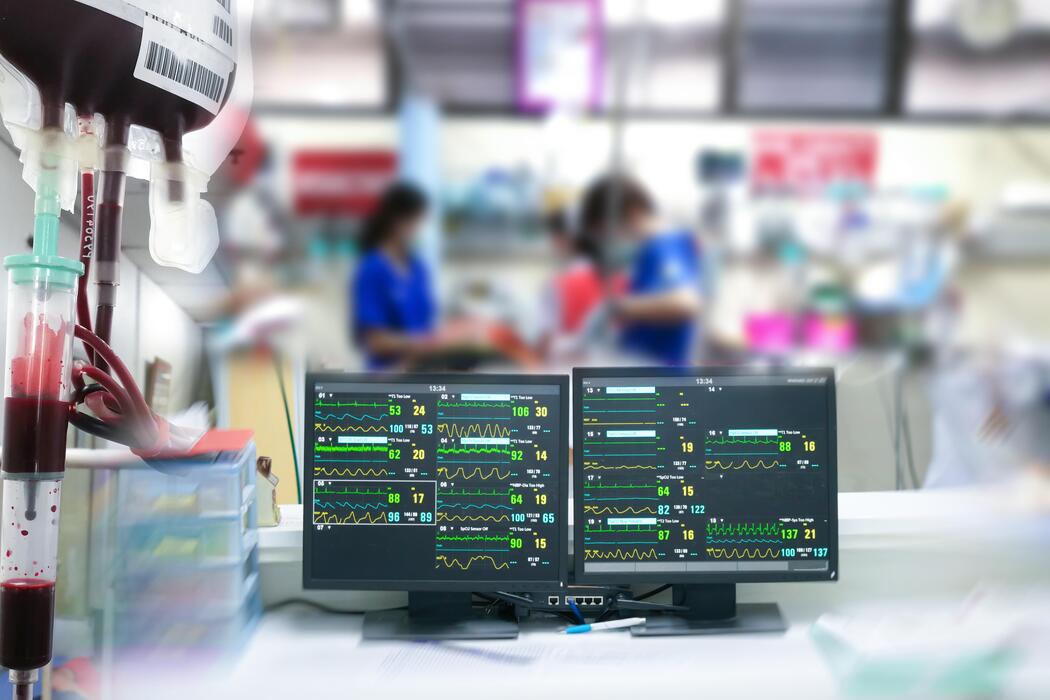
An intensivist group’s clinical picture is assembled from machines. Philips IntelliVue and GE monitors stream waveforms and vitals, ventilators report pressures and tidal volumes, infusion pumps log every titration, and middleware such as Capsule or the Philips Patient Information Center pushes it all into Epic or Oracle Health ICU flowsheets minute by minute. Add tele-ICU platforms, sepsis early-warning algorithms, and central alarm dashboards, and you have a data pipeline where a dropped interface is not an inconvenience. It is missing physiology at the exact moment a patient is deteriorating.
Medical IT Company engineers that pipeline for continuity. We manage device-integration servers and the HL7 feeds behind them, build redundant network paths between bedside and data center, watch interface queues around the clock, and keep tele-ICU carts and remote intensivist workstations connected and current. Near-zero tolerance for downtime is the design requirement, not the aspiration.
Because an ICU moves protected health information at high velocity, we also lock the environment down: biomedical devices live on segmented networks where a compromised laptop can never touch a ventilator, managed EDR covers every workstation, and immutable backups plus rehearsed paper-flowsheet downtime procedures mean even a ransomware event cannot stop care at the bedside.
why choose us for IT Services for Critical Care Practices
We keep ICU flowsheets, device feeds, and tele-ICU links running when seconds decide outcomes.
Device Integration
We manage Capsule and Philips device-integration middleware and the HL7 feeds behind it, so ventilator settings, pump titrations, and monitor vitals land in ICU flowsheets every minute without gaps.
Sepsis Alerting
Sepsis screens, deterioration indexes, and tele-ICU surveillance dashboards run on servers we monitor 24×7, so an early-warning score never goes dark during the hours when it matters most.
24/7 Uptime
Dual network paths, redundant interface engines, failover power, and rehearsed downtime procedures keep charting and monitoring alive through hardware faults, outages, and even ransomware events.


more ways we support healthcare





healthcare IT challenges critical care practices face
The hardest problem in critical care IT is device integration fragility. A 20-bed ICU can hold hundreds of data-producing devices, and one outdated Capsule gateway firmware or a dropped serial connection silently stops ventilator data from reaching the flowsheet. We standardize integration middleware, monitor every interface queue in real time, and alert on data gaps within minutes, so nurses stop hand-transcribing vitals during an outage nobody noticed.
Alarm and surveillance uptime is the second challenge. Tele-ICU cameras, central monitoring stations, and early-warning scores all ride the hospital network, and congestion that merely annoys other departments can delay a deterioration alert here. We engineer dedicated VLANs with quality-of-service priority for physiologic data, build redundant switch paths to every bedside, and test failover so a single hardware fault never blinds the unit.
Intensivists also work across sites, covering multiple ICUs and taking night call from home, so remote access has to be instant and secure at 2 a.m. We deliver hardened remote desktops and VDI with badge-tap single sign-on inside the unit and phishing-resistant MFA outside it. When a hospital partner upgrades Epic or Oracle Health, we validate that your group’s access, note templates, and billing capture survive the change.
Finally, networked medical devices are a standing security liability, since many run operating systems that cannot be patched. We isolate biomedical equipment on segmented networks, maintain a passive device inventory, protect servers and workstations with managed EDR, and keep immutable backups with rehearsed downtime procedures, meeting HIPAA requirements while keeping a compromised laptop from ever reaching a ventilator.
critical care practices IT FAQs
ICU issues are treated as top priority because a stalled monitor feed or EHR interface is a patient-safety concern, not a ticket that can wait. We provide 24/7 monitoring and support with response times defined in your service agreement. Critical alerts often trigger our team before your staff even calls.
We build redundancy and rapid failover so ICU flowsheets, alerts, and device feeds keep running, and we maintain frequent, encrypted backups tested for real recovery. If an outage does occur, our disaster recovery plan restores critical systems within a defined timeframe. We also help your team run EHR downtime procedures so charting continues safely.
We segment ventilators, infusion pumps, and bedside monitors onto controlled network zones so a compromised device cannot reach the rest of your environment. We track device operating systems, apply available patches, and coordinate with biomedical teams and manufacturers on security. All of it is documented for HIPAA and audit purposes.
Critical care groups need managed IT, HIPAA cybersecurity, and backup and disaster recovery, plus specialized support for EHR critical care modules and ICU flowsheets. They also rely on medical device integration to pull ventilator and monitor data into the record, tele-ICU/eICU connectivity, and vCIO planning for multi-hospital coverage.
Most critical care groups pay a predictable monthly fee based on the number of providers, sites, and connected devices we support rather than unpredictable hourly billing. Because ICU downtime carries clinical and financial risk, pricing usually reflects the redundancy, monitoring, and faster response times these environments require. We scope every quote after reviewing your EHR, tele-ICU setup, and device footprint.
Yes. We maintain the connectivity between your command center, remote camera carts, and each hospital’s monitoring network so intensivists can cover units without interruption. That includes single sign-on across sites and monitoring the links that platforms like Philips eICU depend on.